
Paint correction can restore a vehicle’s shine by removing minor scratches, swirl marks, and oxidation, preparing it for further protection, such as ceramic coating or PPF. This article delves into the science of paint correction and how it can enhance your car’s appearance and resale value.
What Is Paint Correction, and Why Do Cars Need It?
Paint correction is a multi-step process that removes surface imperfections to achieve a smooth, high-gloss finish. Addressing scratches and blemishes creates a flawless base for ceramic coatings, making it a crucial step for San Mateo drivers looking to preserve their vehicles.
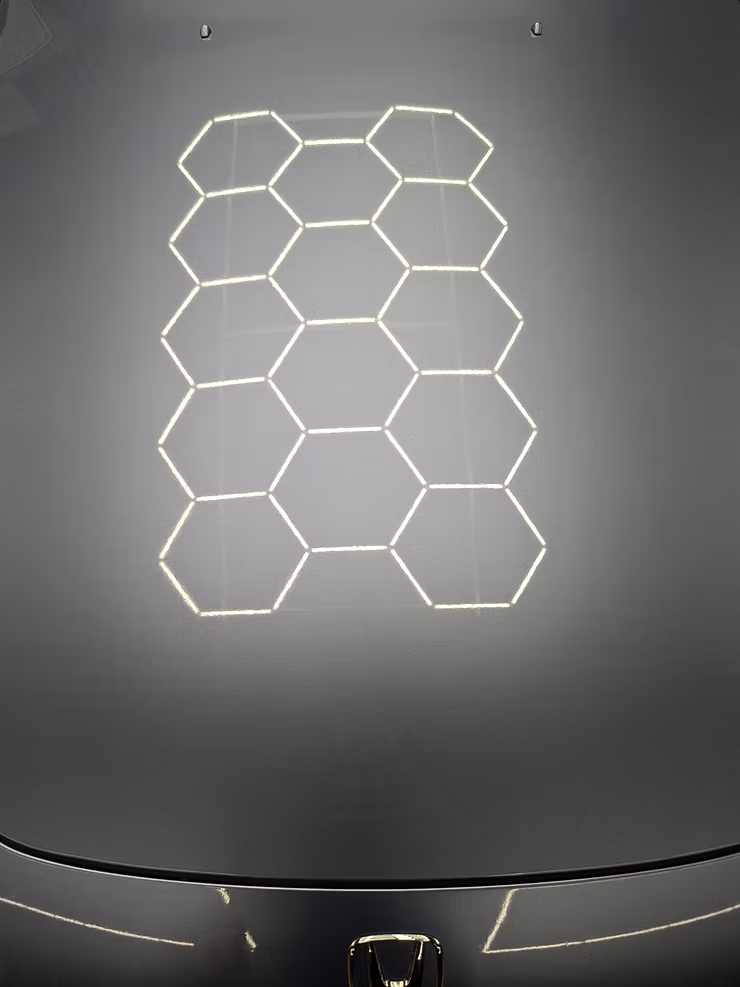
Restored the paint of a 20+ year old Honda S2000 to its factory paint
Types of Paint Imperfections
- Swirl Marks and Scratches: Often caused by improper washing techniques, these are visible in sunlight and are removed through polishing.
- Etching and Water Spots: Marks from acid rain or contaminants are polished away, revealing the pristine paint underneath.
- Oxidation: Sun and air exposure cause oxidation, which dulls the paint. Paint correction removes this layer, restoring vibrancy.
The Paint Correction Process
- Inspection and Preparation: A thorough assessment and wash.
- Polishing and Compounding: The vehicle is polished to remove scratches, then compounded to create a smooth surface.
- Finishing Touches: Final polish and inspection ensure the coating application is ready.
Paint Correction and Ceramic Coating: A Winning Combo
When combined with ceramic coating, paint correction ensures that the coating bonds directly with the paint, maximizing protection and enhancing shine.
Interested in restoring your car’s original shine? Book a paint correction service to restore your vehicle to showroom condition.